We have already discussed in our previous article the importance of Ceftriaxone and its role as a therapeutic standard. Ceftazidime, which we will address today, should instead be regarded as the hospital bulwark against the most aggressive pathogens.
Let’s explore this pharmaceutical active ingredient in detail and analyze its characteristics as well as its European and global logistical dynamics.
Ceftazidime in Brief
- Drug class: Third‑generation broad‑spectrum cephalosporin
- Mechanism of action: Inhibition of bacterial cell‑wall synthesis
- Pharmacokinetic features: Excellent tissue penetration with a specific focus on hospital‑based applications
- Primary indications: Pseudomonas aeruginosa infections, hospital‑acquired pneumonia (HAP/VAP), febrile neutropenia
- Safety profile: Organ‑sparing, essential in critically ill or polytreated patients
- Operational efficiency: Flexible dosing and compatibility with intensive care protocols
What Is Ceftazidime?
Ceftazidime represents the specialized evolution of beta lactam therapy. While third generation cephalosporins, as discussed in our previous article on Ceftriaxone, revolutionized the treatment of Gram negative bacteria, Ceftazidime embodies the pinnacle of this class in hospital settings.
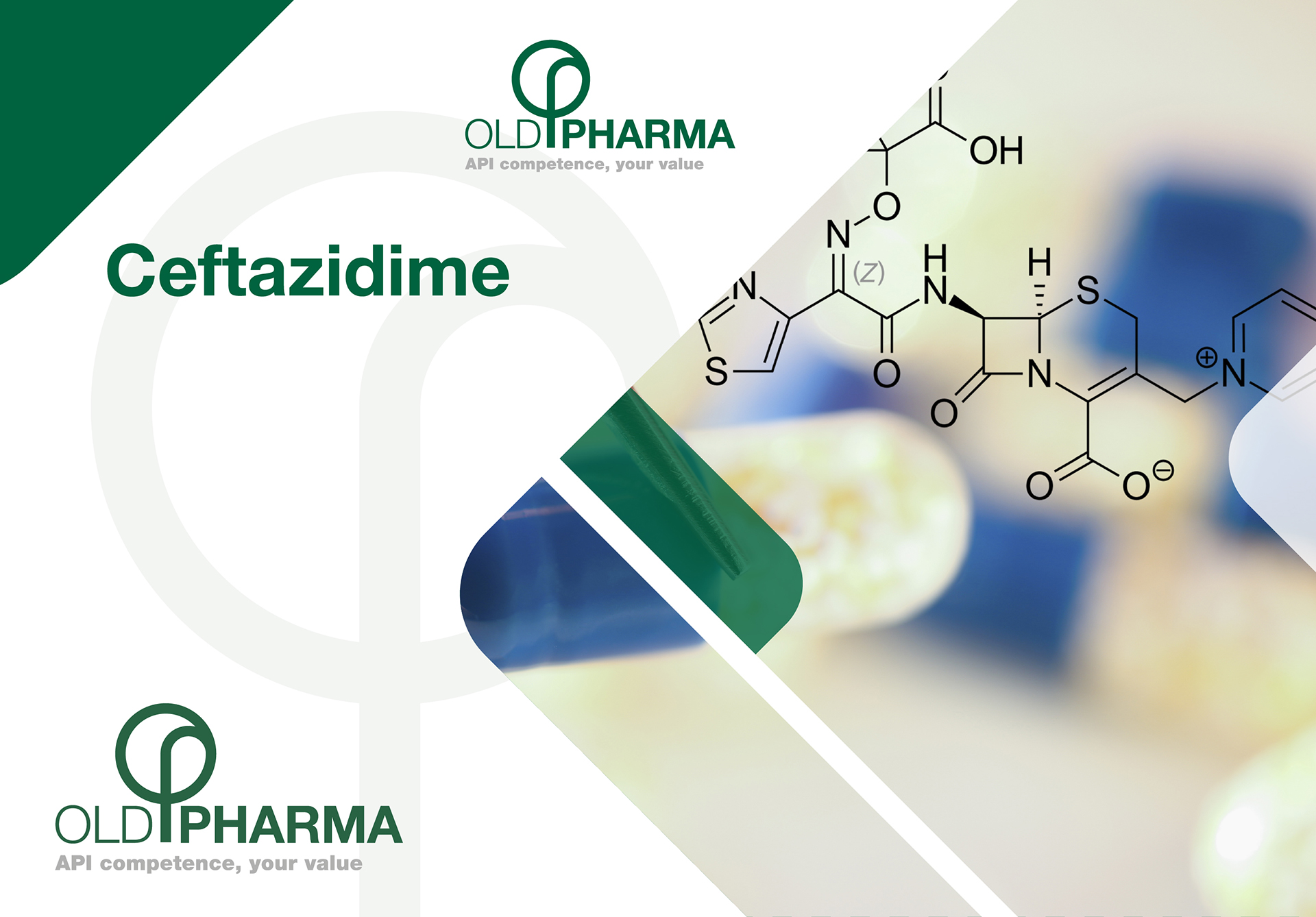
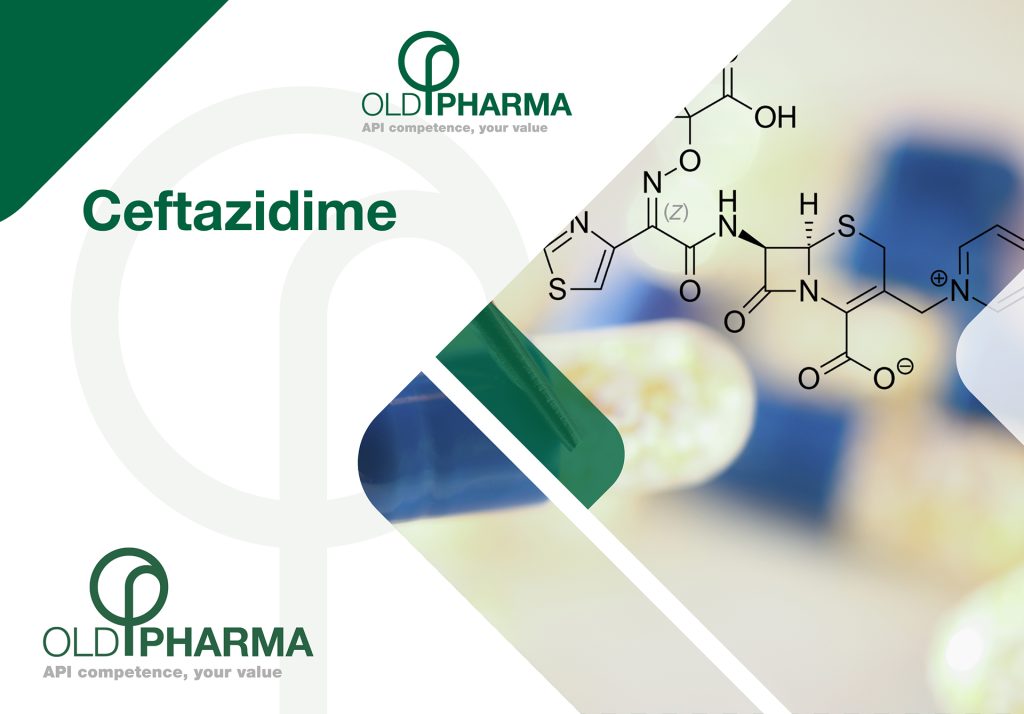
This active ingredient is characterized by exceptional stability against many beta lactamases and by a chemical structure optimized to overcome the external barriers of highly resistant bacteria. Unlike other agents in the same class, its activity is precisely focused on aerobic Gram negative pathogens, making it an irreplaceable pillar in high intensity care units.
When and Why to Choose Ceftazidime
The choice of Ceftazidime is driven by a specific clinical need: the fight against Pseudomonas aeruginosa.
While Ceftriaxone is the gold standard for community‑acquired pneumonia (CAP), Ceftazidime is the undisputed protagonist in the treatment of severe nosocomial infections, including ventilator‑associated pneumonia (VAP) and complicated urinary tract infections.
Experienced clinicians prefer it for its ability to maintain efficacy even in high bacterial‑load environments and for its ease of use in critically ill patients. Its pharmacokinetics allow rapid achievement of therapeutic targets, especially when administered through prolonged infusion— a strategy that OLD PHARMA actively promotes to maximize target attainment in unstable patients.
Ceftazidime and Other Cephalosporin Generations
Within the extensive ecosystem of cephalosporins, Ceftazidime occupies a niche that clearly distinguishes it from Ceftriaxone. If Ceftriaxone can be considered the “Swiss Army knife” of the class due to its versatility and once daily dosing, Ceftazidime is the “specialist” for hospital acquired resistance.
Compared with first‑ and second‑generation molecules, Ceftazidime offers vastly superior protection against Gram‑negative bacteria, though it sacrifices part of its activity against Gram‑positive organisms (where cefazolin remains superior).
The most compelling comparison, however, is within the third generation itself: Ceftazidime is the only molecule in its class boasting specific and powerful activity against Pseudomonas, a feature that makes it complementary—not a substitute—to Ceftriaxone.
Even when compared with later generations (IV and V), Ceftazidime retains critical relevance, particularly when used in combination with new beta‑lactamase inhibitors.
Antimicrobial Resistance and Ceftazidime
The effectiveness of Ceftazidime is increasingly challenged by the emergence of carbapenemase producing and ESBL producing strains. However, far from being outdated, Ceftazidime is experiencing a “second life” thanks to combinations with beta lactamase inhibitors such as avibactam.
Its use should always be guided by Antimicrobial Stewardship programs for two key reasons:
- Molecule protection: Prevent inappropriate use to avoid selecting resistant strains.
- Targeted use: Employ it as a carbapenem‑sparing alternative to preserve carbapenems as last‑resort therapies.
Monitoring local epidemiology is the only way to ensure that this sentinel antibiotic remains effective against the bacterial threats of 2026.
European and Global Market: The Role of OLD PHARMA
The Ceftazidime market reflects the same complexities already seen for Ceftriaxone: high demand, complex production, and a fragile supply chain. As a life‑saving injectable drug, it requires sterility and manufacturing standards that only a few European facilities are consistently able to guarantee.
For OLD PHARMA, safeguarding the supply of Ceftazidime is a commitment to both national and community‑wide health security. In an era marked by frequent shortages, our multi‑sourcing strategy and centralized API monitoring allow us to mitigate supply‑disruption risks.
Investing in Ceftazidime means ensuring that intensive care and oncology departments always have the necessary tool to protect the most vulnerable patients, reaffirming our role as a reliable partner for the global healthcare system.
Sources and References
EMA (European Medicines Agency): Status of Antibiotic Availability and Shortage Management 2026.
ECDC: Antimicrobial resistance surveillance in Europe – Annual Report.
WHO: Essential Medicines List and AWaRe Classification for Ceftazidime.
AIFA: Banca Dati Farmaci – RCP Ceftazidime.
The Sanford Guide: Antimicrobial Therapy – Focus on Pseudomonas treatment.
Medicines for Europe: Resilience in Sterile Injectable Manufacturing.